The Story
A beautiful addition that attracts pollinators
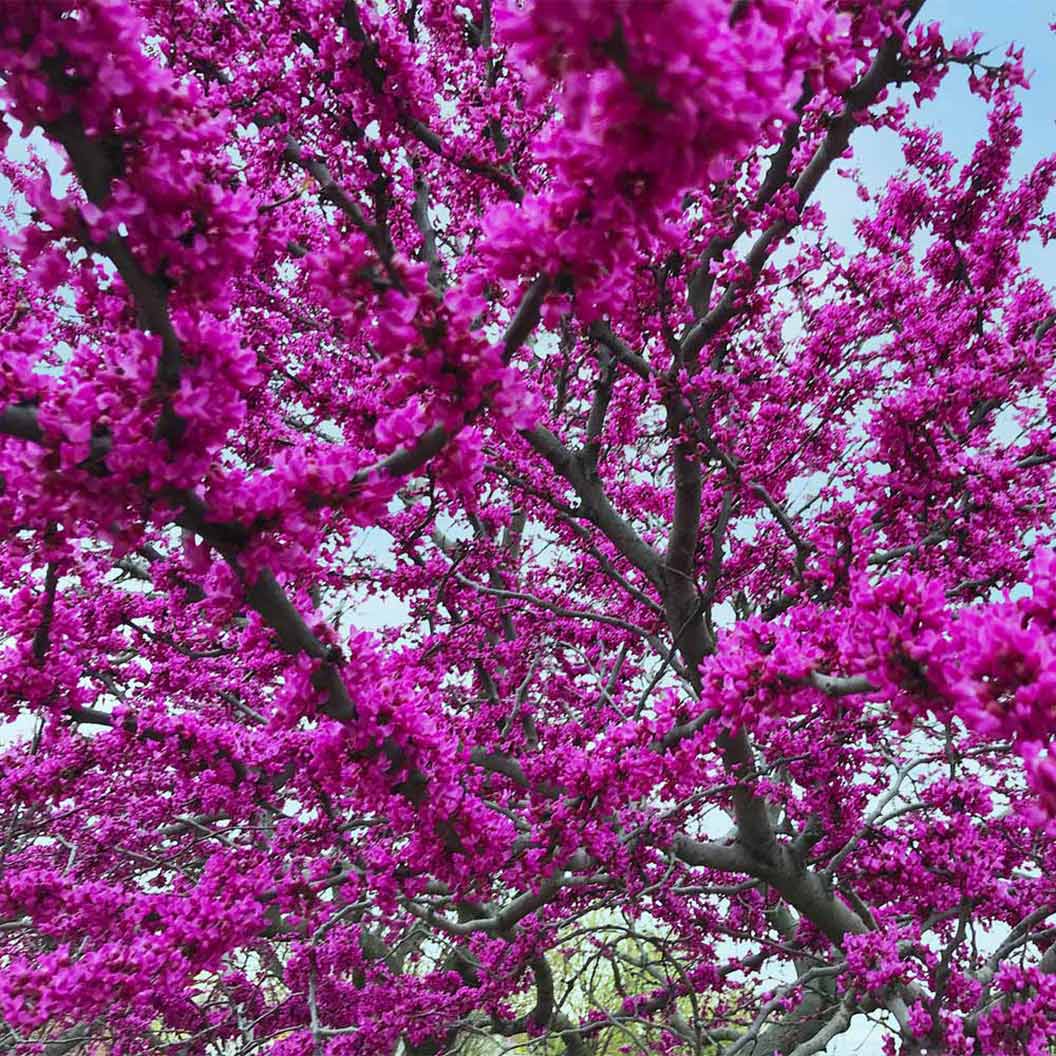
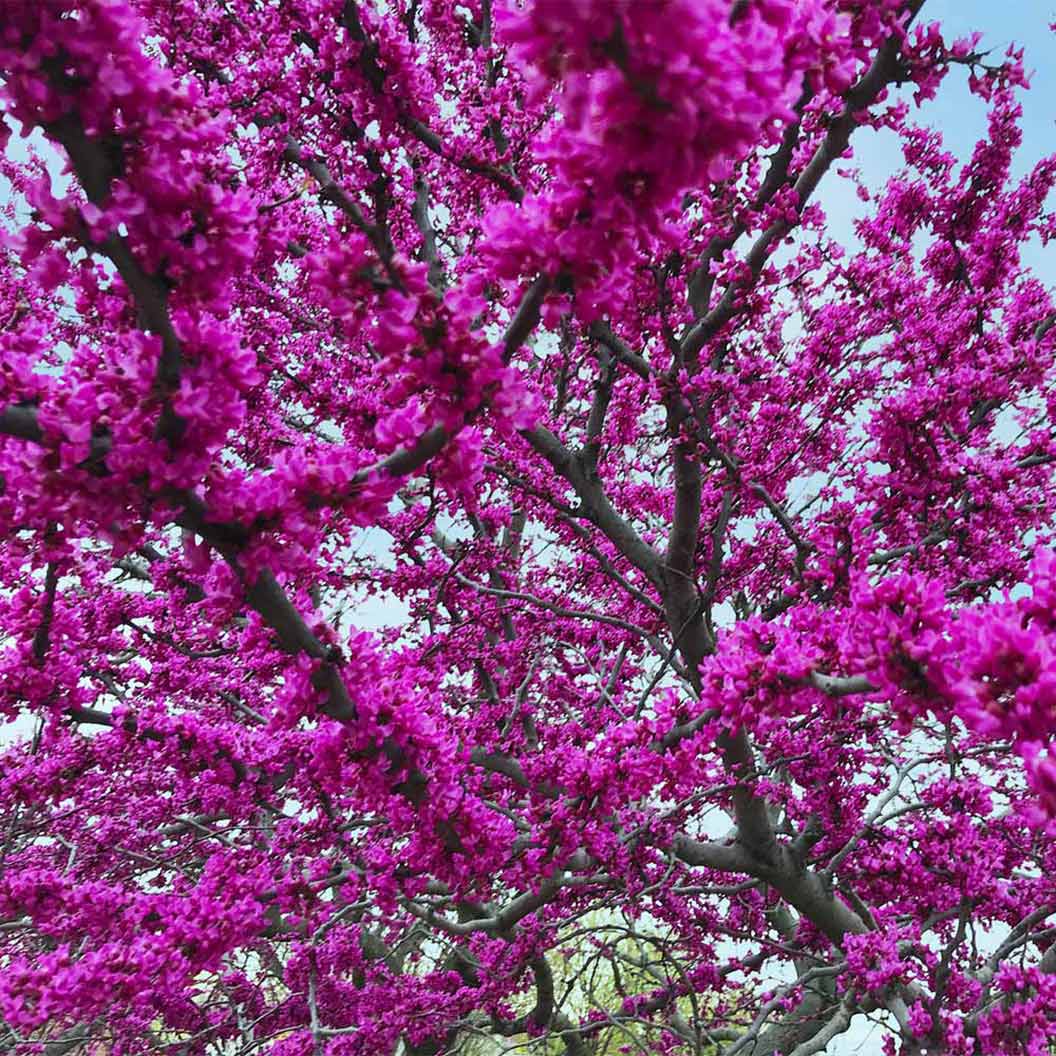
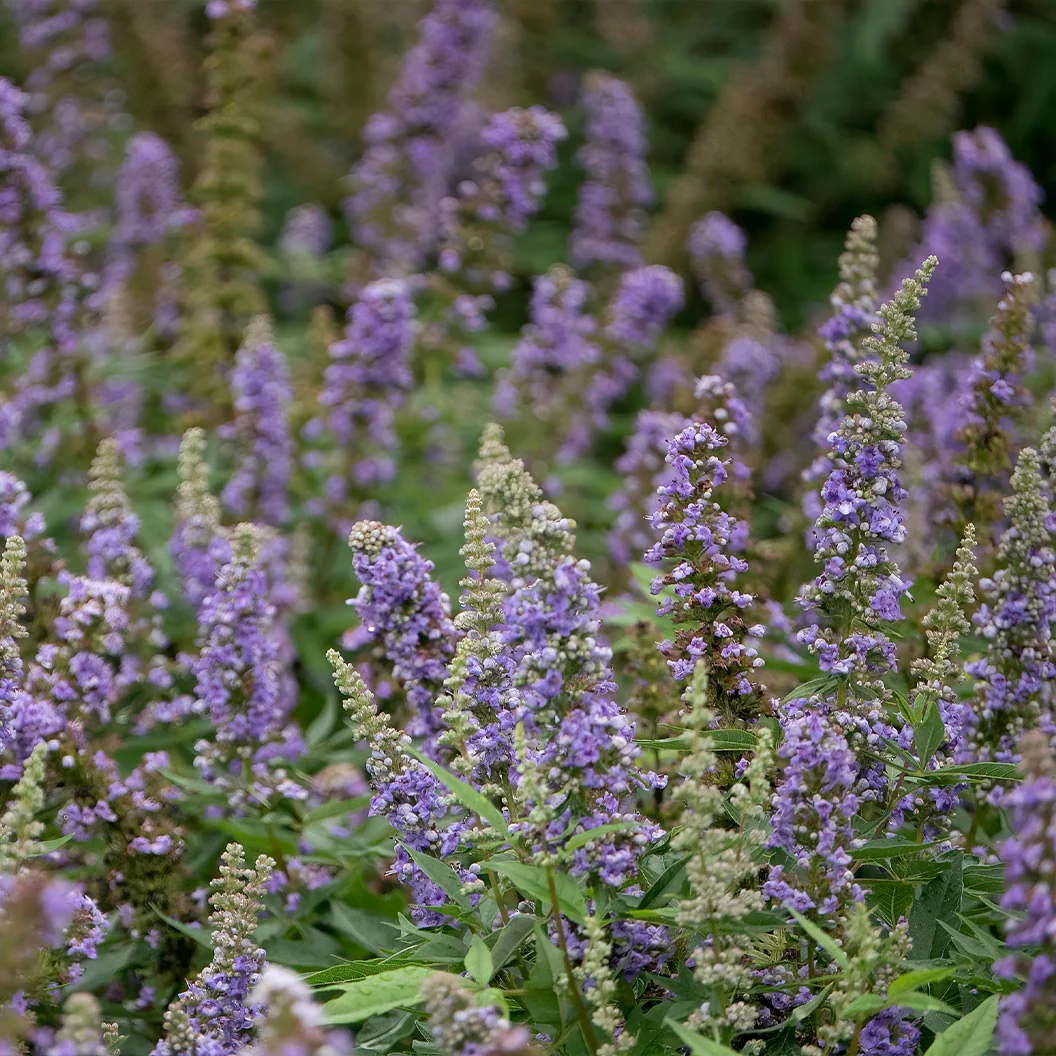
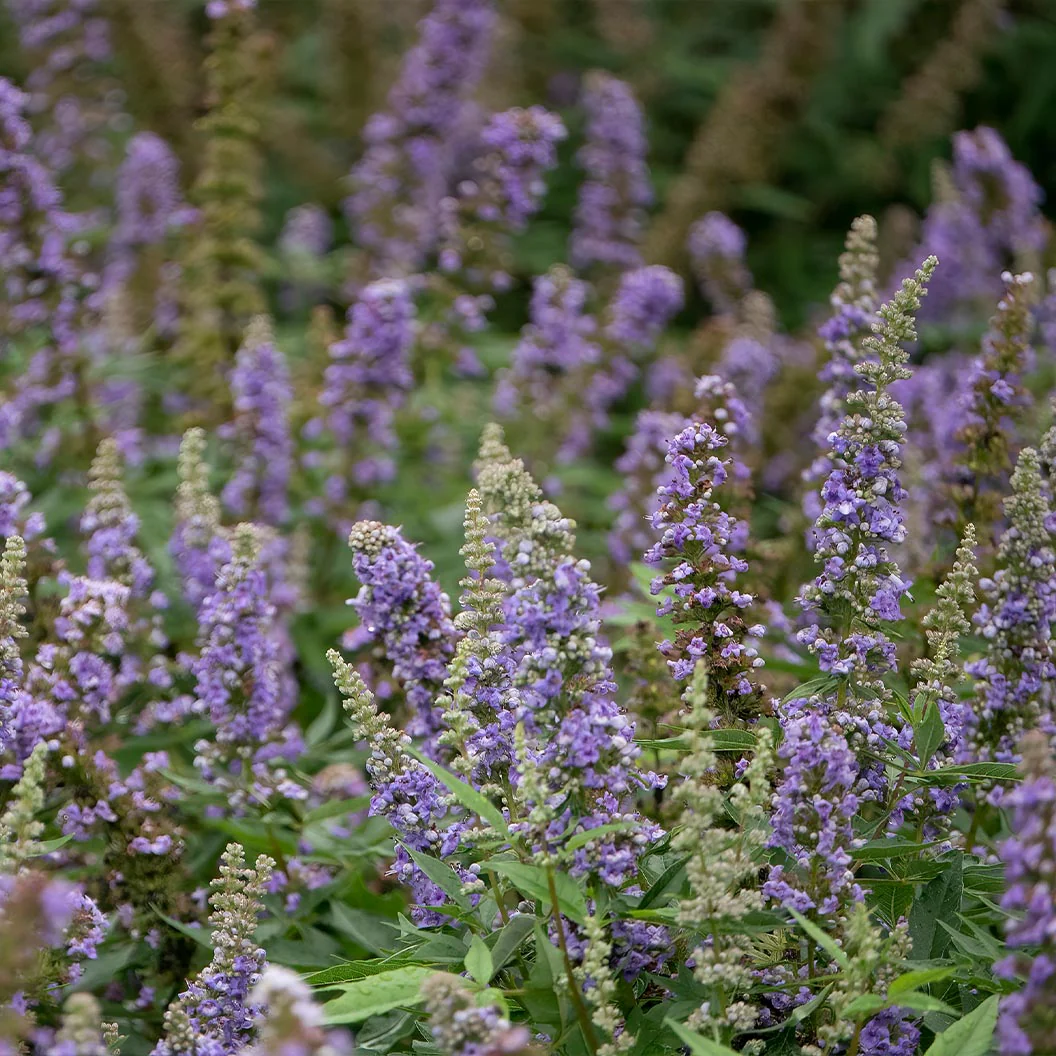
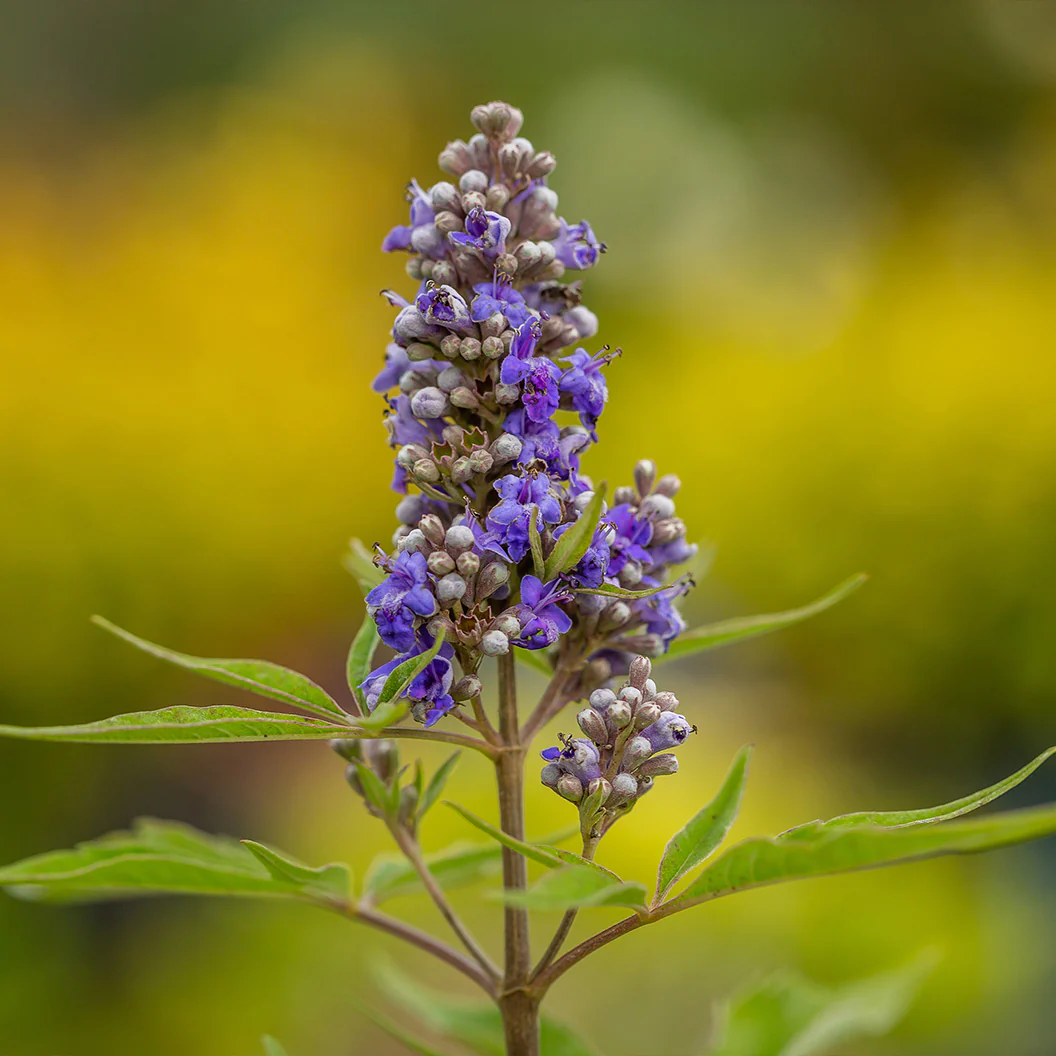
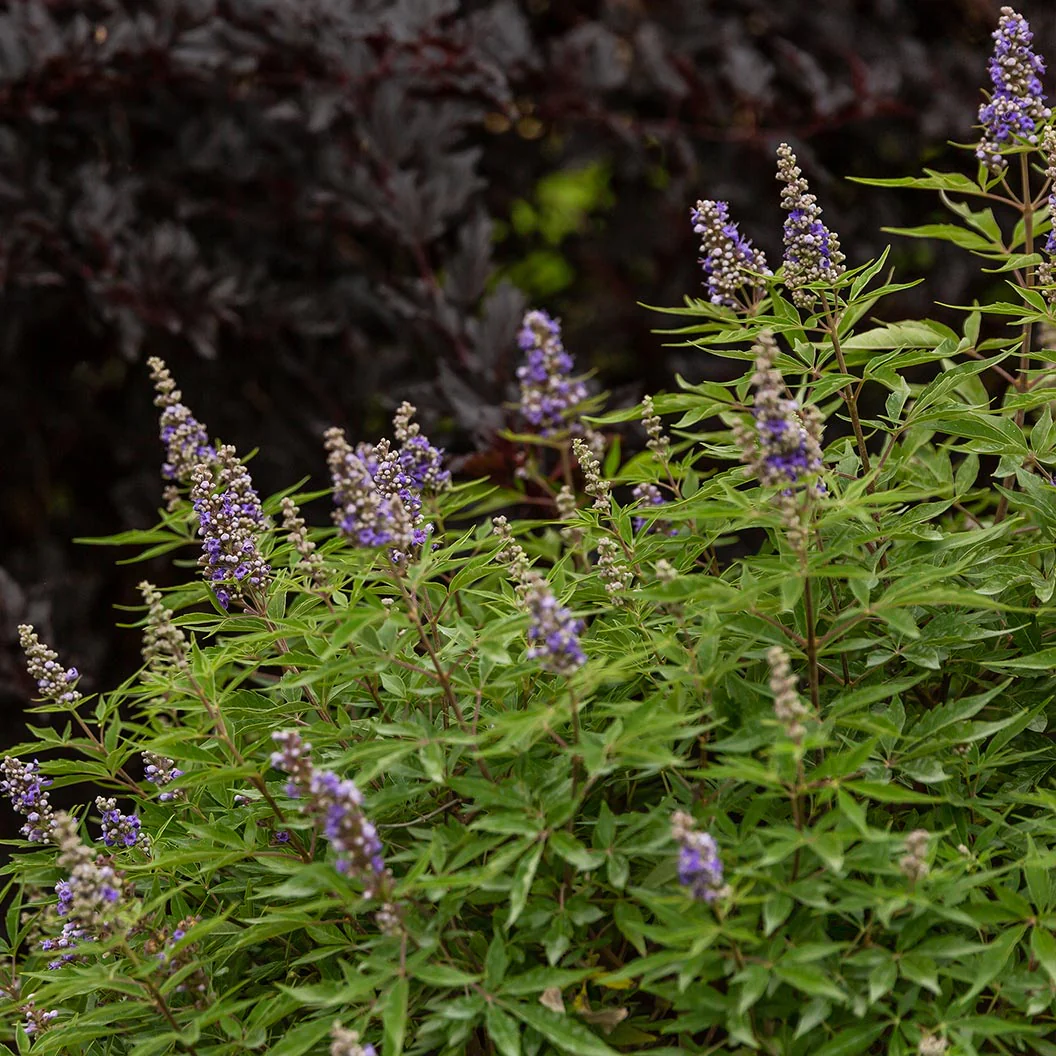
If you're looking to enhance your garden with a vibrant burst of color and support local pollinators, you've found a winner. This deciduous tree boasts striking blue-purple flowers that bloom profusely in early summer and continue to rebloom until fall. Not only are these blossoms visually stunning, but they're also a favorite among birds, bees, and butterflies, making your garden a lively hub of activity.
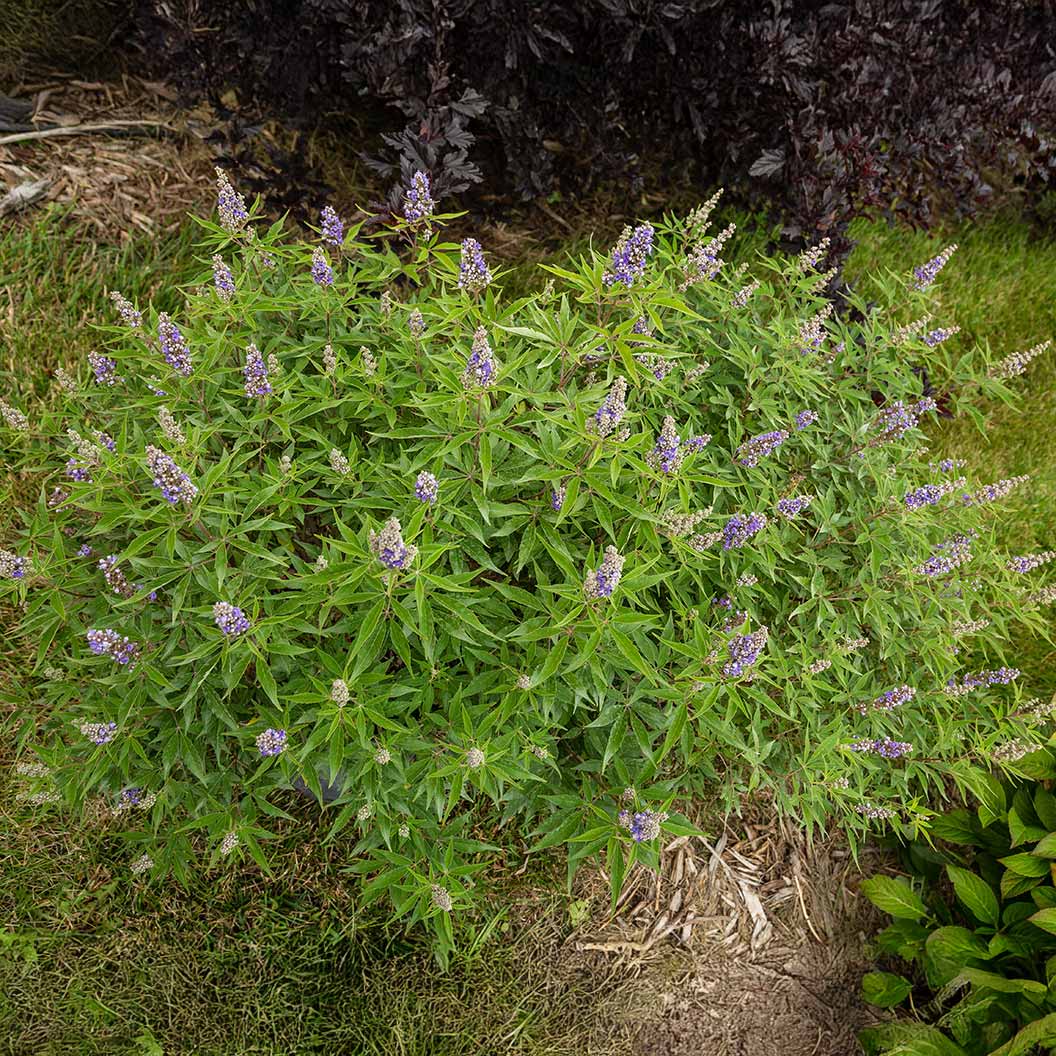
What truly sets this tree apart is its compact size. Maturing to only three to four feet tall and wide, it's the perfect choice for small yards or urban spaces where every square foot counts. This beautiful addition offers all the charm and allure you want in a garden without overwhelming your landscape. Its tight habit ensures it remains neat and tidy, allowing you to enjoy its beauty without fuss. This tree is perfect for warm climate gardens throughout the South and Western United States.
Planting & Care
1. Planting: Plant or repot within 4 weeks of arrival. Remove the stake and ties at planting, as these are only for shipping. Select a location that receives full sun and has well-draining soil. Dig a hole that is twice the width of the root ball but no deeper. Gently place the plant in the hole, fill with soil, and water thoroughly to eliminate air pockets. Spread a 3" layer of mulch three feet around the tree to suppress weeds, insulate roots, and conserve moisture.
2. Watering: Water regularly during the first season to establish a strong root system. Once established, this tree is relatively drought-tolerant but should still be watered during prolonged dry spells. Aim for moist, well-drained soil and avoid letting the root zone stay waterlogged.
3. Pruning: Prune lightly in late winter or early spring to maintain the tree's shape and encourage healthy growth. Remove any dead or damaged branches and thin out crowded areas to promote airflow and light penetration. In zone 6, vitex may die to the ground in winter, similar to a perennial, and remerge from the base in spring.
4. Fertilizing: Fertilizer is not usually necessary. A slow-release balanced fertilizer can be applied in early spring, per package rates.
Details & Craftsmanship
Every detail has been carefully considered to bring you the perfect product.
Details & Craftsmanship
Every detail has been carefully considered to bring you the perfect product.
Details & Craftsmanship
Every detail has been carefully considered to bring you the perfect product.
Details & Craftsmanship
Every detail has been carefully considered to bring you the perfect product.
Description
A beautiful addition that attracts pollinators
If you're looking to enhance your garden with a vibrant burst of color and support local pollinators, you've found a winner. This deciduous tree boasts striking blue-purple flowers that bloom profusely in early summer and continue to rebloom until fall. Not only are these blossoms visually stunning, but they're also a favorite among birds, bees, and butterflies, making your garden a lively hub of activity.
What truly sets this tree apart is its compact size. Maturing to only three to four feet tall and wide, it's the perfect choice for small yards or urban spaces where every square foot counts. This beautiful addition offers all the charm and allure you want in a garden without overwhelming your landscape. Its tight habit ensures it remains neat and tidy, allowing you to enjoy its beauty without fuss. This tree is perfect for warm climate gardens throughout the South and Western United States.
Planting & Care
1. Planting: Plant or repot within 4 weeks of arrival. Remove the stake and ties at planting, as these are only for shipping. Select a location that receives full sun and has well-draining soil. Dig a hole that is twice the width of the root ball but no deeper. Gently place the plant in the hole, fill with soil, and water thoroughly to eliminate air pockets. Spread a 3" layer of mulch three feet around the tree to suppress weeds, insulate roots, and conserve moisture.
2. Watering: Water regularly during the first season to establish a strong root system. Once established, this tree is relatively drought-tolerant but should still be watered during prolonged dry spells. Aim for moist, well-drained soil and avoid letting the root zone stay waterlogged.
3. Pruning: Prune lightly in late winter or early spring to maintain the tree's shape and encourage healthy growth. Remove any dead or damaged branches and thin out crowded areas to promote airflow and light penetration. In zone 6, vitex may die to the ground in winter, similar to a perennial, and remerge from the base in spring.
4. Fertilizing: Fertilizer is not usually necessary. A slow-release balanced fertilizer can be applied in early spring, per package rates.