Original: $62.00
-65%$62.00
$21.70The Story
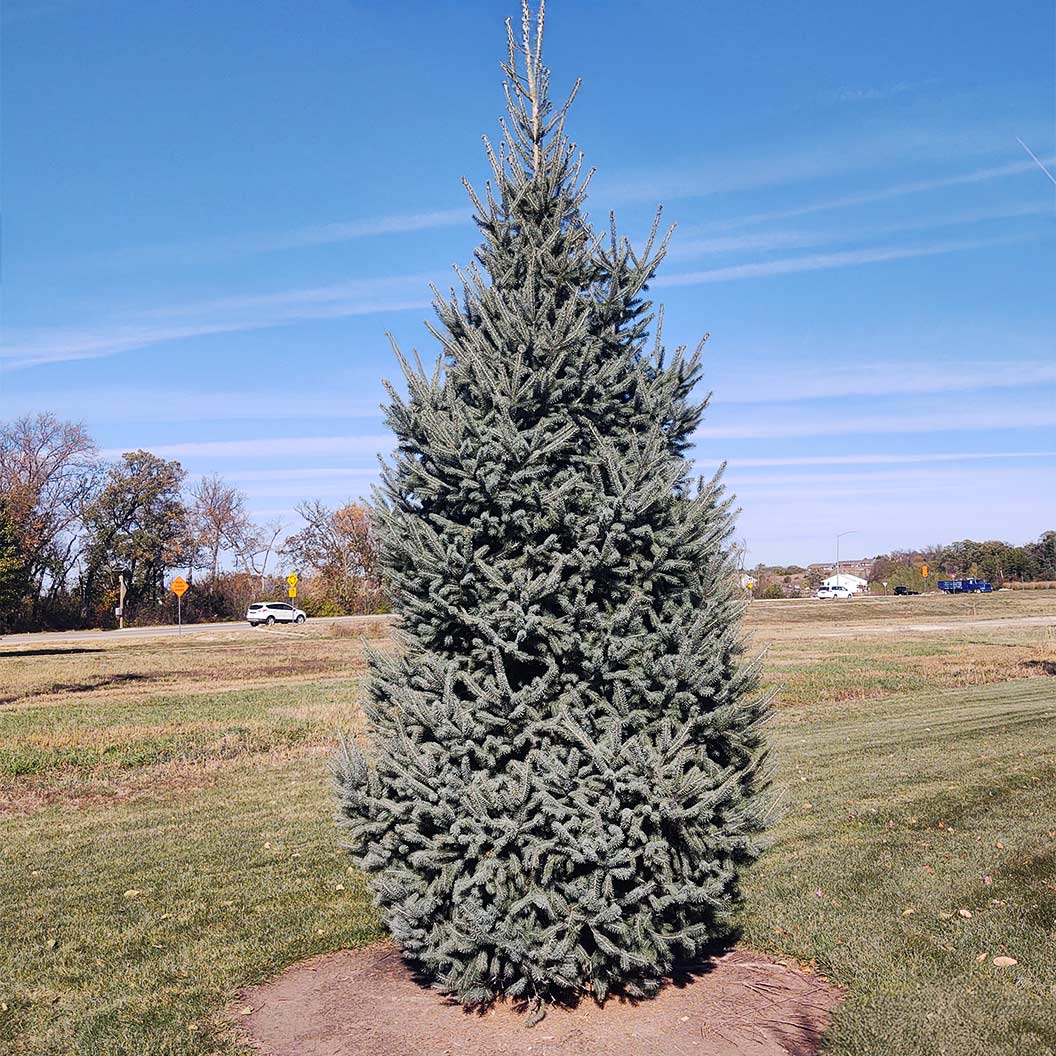
A striking addition with a dense conical shape
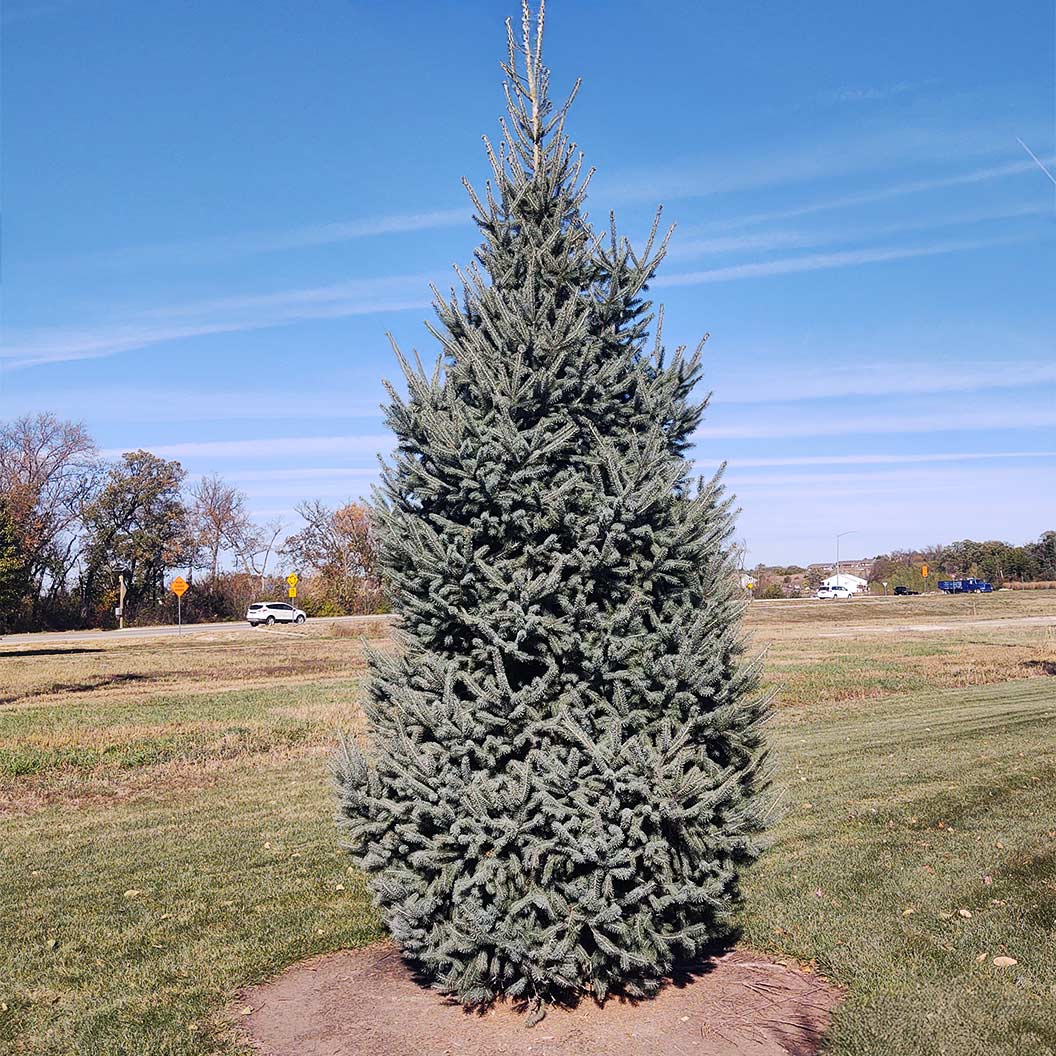
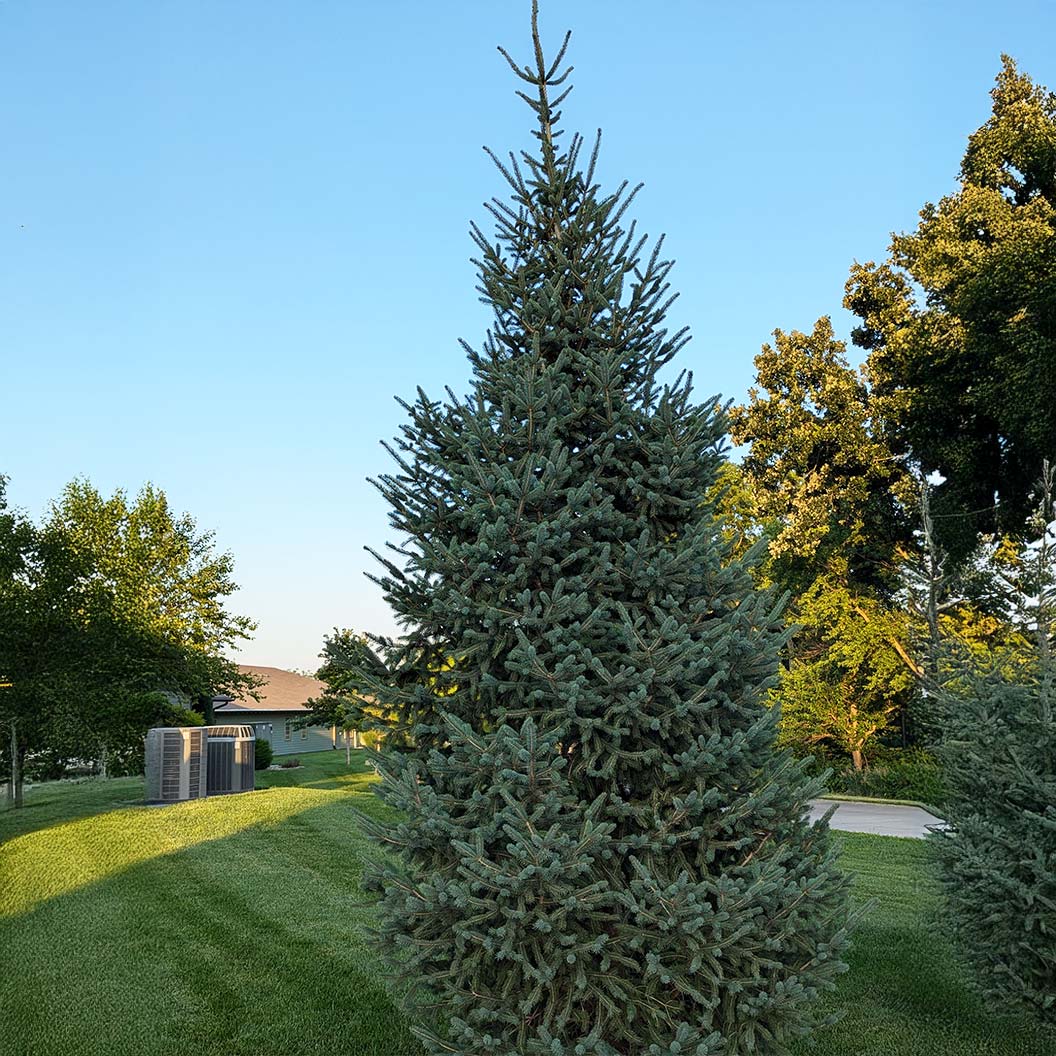
The Skinny Blue Genes™ Black Hills Spruce Tree is truly a standout choice for any landscape. Its dense conical shape makes it an excellent specimen for framing a yard or providing vertical interest where space is limited. This tree not only brings a unique visual appeal, but it also offers year-round beauty with its striking bluish-green needles that create a lovely contrast against typical green foliage. As it matures, the evergreen will serve as a stunning backdrop for other plants, enhancing the overall aesthetics of your outdoor space.
Best grown in cold northern climates, Black Hills Spruce is one of the most versatile types of spruce with its tolerance for deer, wind, heat, drought, and cold. Whether you're creating a cozy backyard retreat or aiming to increase your property's curb appeal, the Skinny Blue Genes™ Black Hills Spruce will surely become a cherished part of your landscape.
Planting & Care
1. Planting: Plant or repot within 4 weeks of arrival. Remove the stake and ties at planting, as these are only for shipping. Choose a location with full sun to partial shade and well-drained soil for optimal growth. Dig a hole twice as wide as the root ball and just deep enough to accommodate it. Backfill with soil, water the area thoroughly, and mulch to retain moisture.
2. Watering: During the first year, ensure your tree is well watered, especially during dry spells. Aim for deep watering once a week, allowing the soil to dry out slightly between sessions. Once established, the tree will require less frequent watering.
3. Pruning: Light pruning can be done in late winter to maintain the desired shape and size. Avoid heavy pruning, as this can affect the tree’s natural form. Remove any dead or damaged branches to encourage healthy growth.
4. Fertilizing: In early spring, apply a balanced, slow-release fertilizer to support growth. Follow the packaging instructions for specific amounts to ensure optimal nutrient availability without over-fertilizing.
Details & Craftsmanship
Every detail has been carefully considered to bring you the perfect product.

Details & Craftsmanship
Every detail has been carefully considered to bring you the perfect product.

Details & Craftsmanship
Every detail has been carefully considered to bring you the perfect product.
Details & Craftsmanship
Every detail has been carefully considered to bring you the perfect product.
Description
A striking addition with a dense conical shape
The Skinny Blue Genes™ Black Hills Spruce Tree is truly a standout choice for any landscape. Its dense conical shape makes it an excellent specimen for framing a yard or providing vertical interest where space is limited. This tree not only brings a unique visual appeal, but it also offers year-round beauty with its striking bluish-green needles that create a lovely contrast against typical green foliage. As it matures, the evergreen will serve as a stunning backdrop for other plants, enhancing the overall aesthetics of your outdoor space.
Best grown in cold northern climates, Black Hills Spruce is one of the most versatile types of spruce with its tolerance for deer, wind, heat, drought, and cold. Whether you're creating a cozy backyard retreat or aiming to increase your property's curb appeal, the Skinny Blue Genes™ Black Hills Spruce will surely become a cherished part of your landscape.
Planting & Care
1. Planting: Plant or repot within 4 weeks of arrival. Remove the stake and ties at planting, as these are only for shipping. Choose a location with full sun to partial shade and well-drained soil for optimal growth. Dig a hole twice as wide as the root ball and just deep enough to accommodate it. Backfill with soil, water the area thoroughly, and mulch to retain moisture.
2. Watering: During the first year, ensure your tree is well watered, especially during dry spells. Aim for deep watering once a week, allowing the soil to dry out slightly between sessions. Once established, the tree will require less frequent watering.
3. Pruning: Light pruning can be done in late winter to maintain the desired shape and size. Avoid heavy pruning, as this can affect the tree’s natural form. Remove any dead or damaged branches to encourage healthy growth.
4. Fertilizing: In early spring, apply a balanced, slow-release fertilizer to support growth. Follow the packaging instructions for specific amounts to ensure optimal nutrient availability without over-fertilizing.