The Story
Resilient Kiwi Plant Ideal for Backyard Gardening
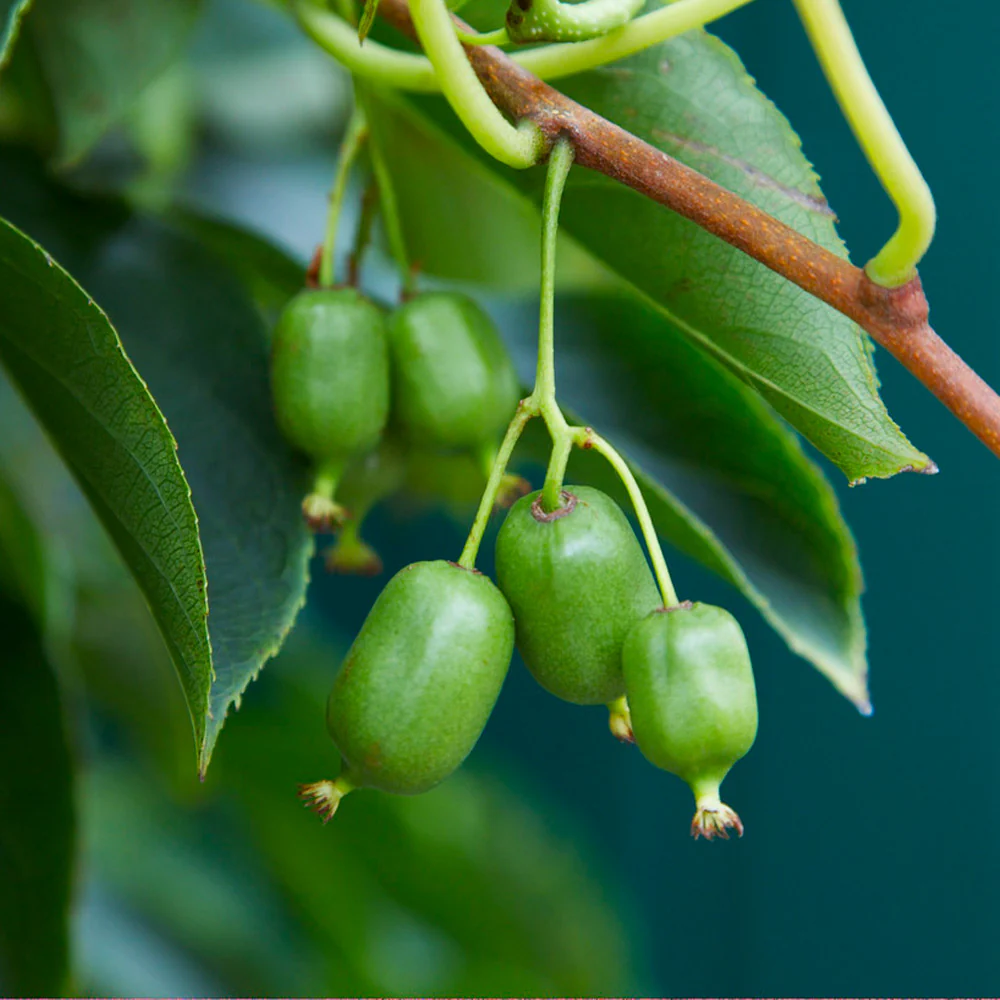
Elevate your backyard gardening experience with our Prolific Kiwi! This fast-growing vine is perfect for cultivating in your outdoor oasis, whether you have a spacious garden or a cozy backyard. With its vigorous growth habit, this plant is ideal for trellises or fences, adding both beauty and functionality to your landscape.
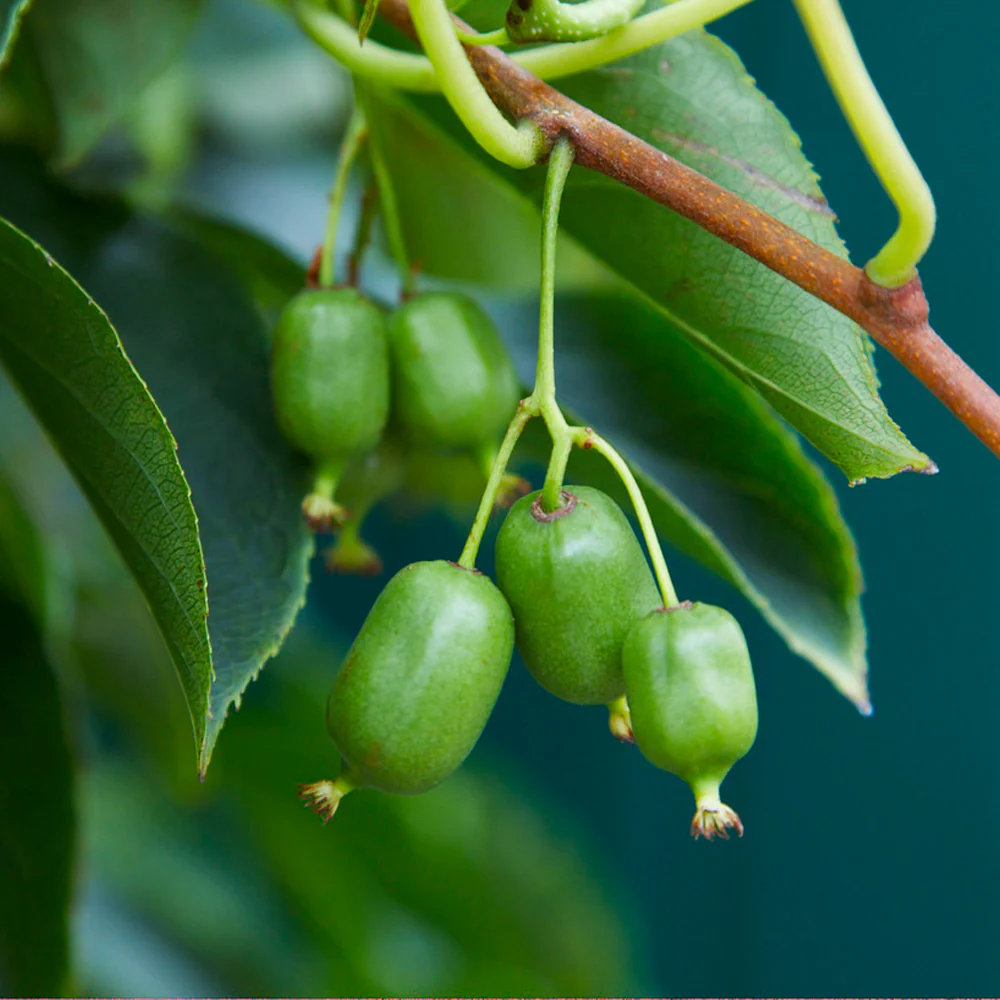
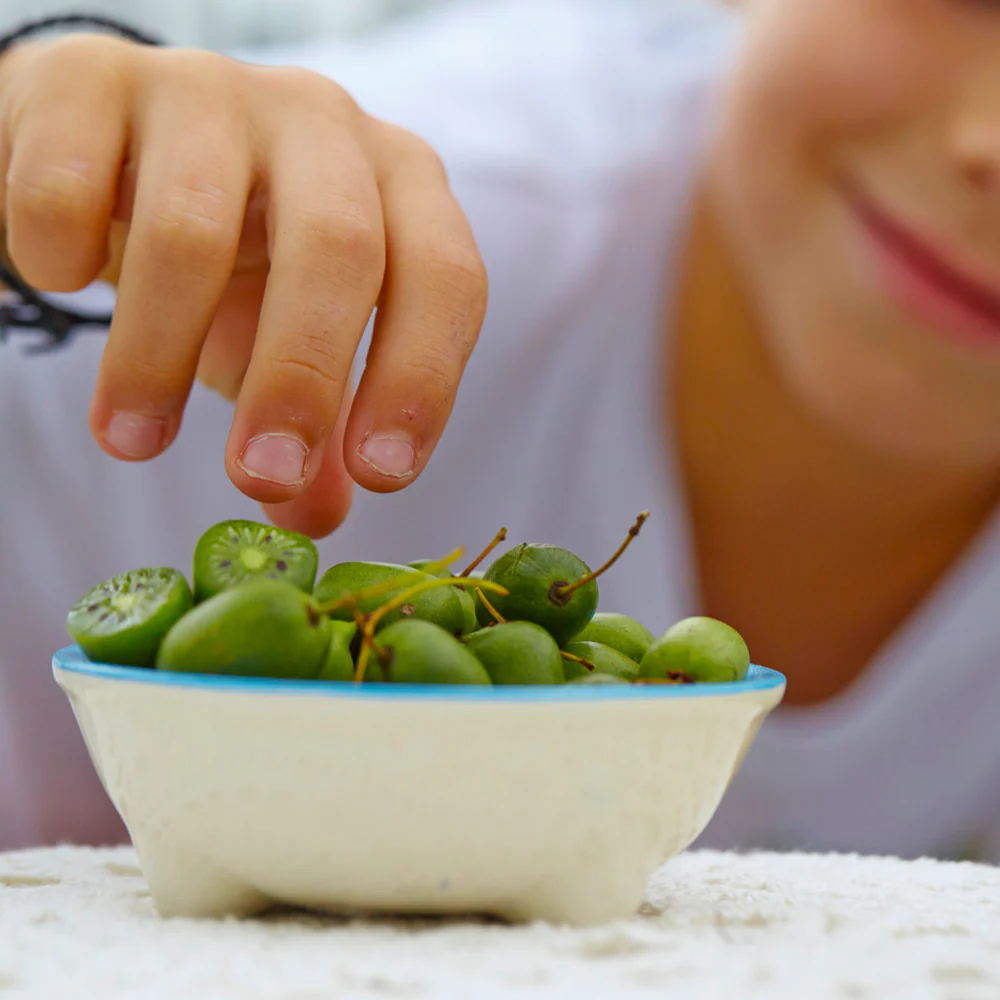
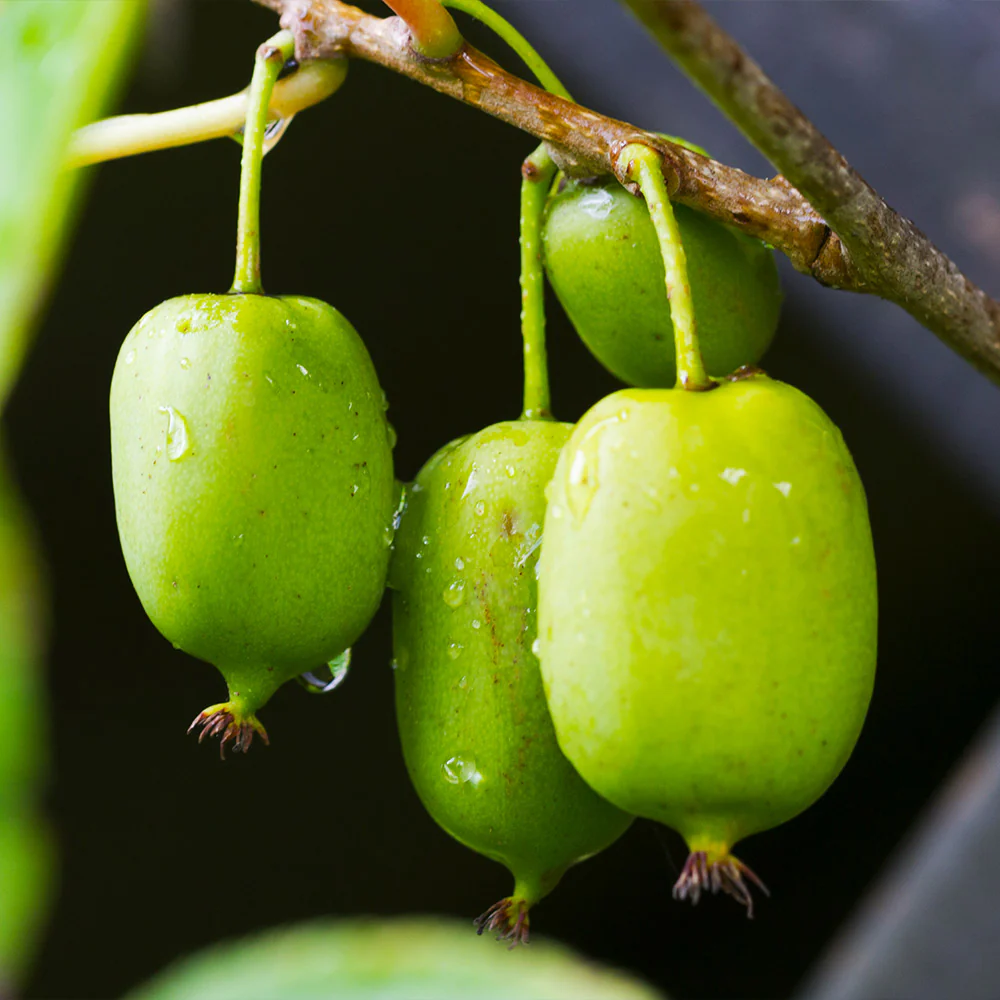
Not only does the Prolific Kiwi boast impressive growth, but it's also cold-hardy and self-pollinating, making it a low-maintenance choice for home gardeners. This self-sufficient plant produces delicious, grape-sized kiwis right in your own backyard. Plus, the fruit features smooth skin, making it perfect for fresh snacking straight from the vine.
Even better, the Prolific Kiwi is naturally resilient and resistant to many common pests and diseases, helping it thrive with minimal upkeep. Its dependable performance and abundant harvests make it a rewarding addition to edible gardens of all sizes.
Bring the joy of homegrown fruit to your doorstep with our resilient and productive Prolific Kiwi. With fast growth, easy care, and flavorful fruit, it's a standout choice for gardeners looking to enjoy fresh harvests season after season.
Planting & Care
1. Planting: Ensure your Kiwi is planted in well-drained soil, avoiding waterlogging. The Prolific thrives with partial shade during peak sunlight hours. Please note, this plant will grow vigorously and may need support to maintain its structure. A sturdy trellis or fence should offer ample stability.
2. Watering: Keep the soil moist for the first year to establish a healthy root system.
3. Fertilization: Fertilize in early spring with a balanced fertilizer to support healthy growth and fruit production..
4. Pruning: Hardy kiwis are vigorous; proper pruning redirects energy from vegetative growth to fruit production. Remove 60–80% of the vine annually, as fruit grows on two-year-old spurs.
5. Establishment: If your kiwi doesn't reach the support top, cut it back to 1 foot to encourage a vigorous shoot. Once it reaches the top, tip it back and train two buds horizontally along wires or beams; these become your cordons. By the second season, you should have a solid framework. Before spring, prune these cordons to 8–10 buds to stimulate fruiting spurs. Extend the cordon each year, pruning back to 8–10 buds, until the support limits are reached.
Pests: The wonderful thing about growing kiwi plants is they are virtually free of pest and fungal issues. Your plant may begin giving off a scent similar to “Cat Nip” as a result, cats find this plant attractive and will rub against the shoots. This can be problematic for young shoots and could cause damage. This is also makes the plant attractive to deer and gophers eating the leaves of the plant and in some cases the fruit. You can place protective fencing or netting around the plants as a protective measure.
If you have several plants growing in the same area this will also make them a target of scale and garden snails. They like to feed on the foliage. You can use an insecticidal soap or Neem Oil to treat any insect issues.
Details & Craftsmanship
Every detail has been carefully considered to bring you the perfect product.
Details & Craftsmanship
Every detail has been carefully considered to bring you the perfect product.
Details & Craftsmanship
Every detail has been carefully considered to bring you the perfect product.
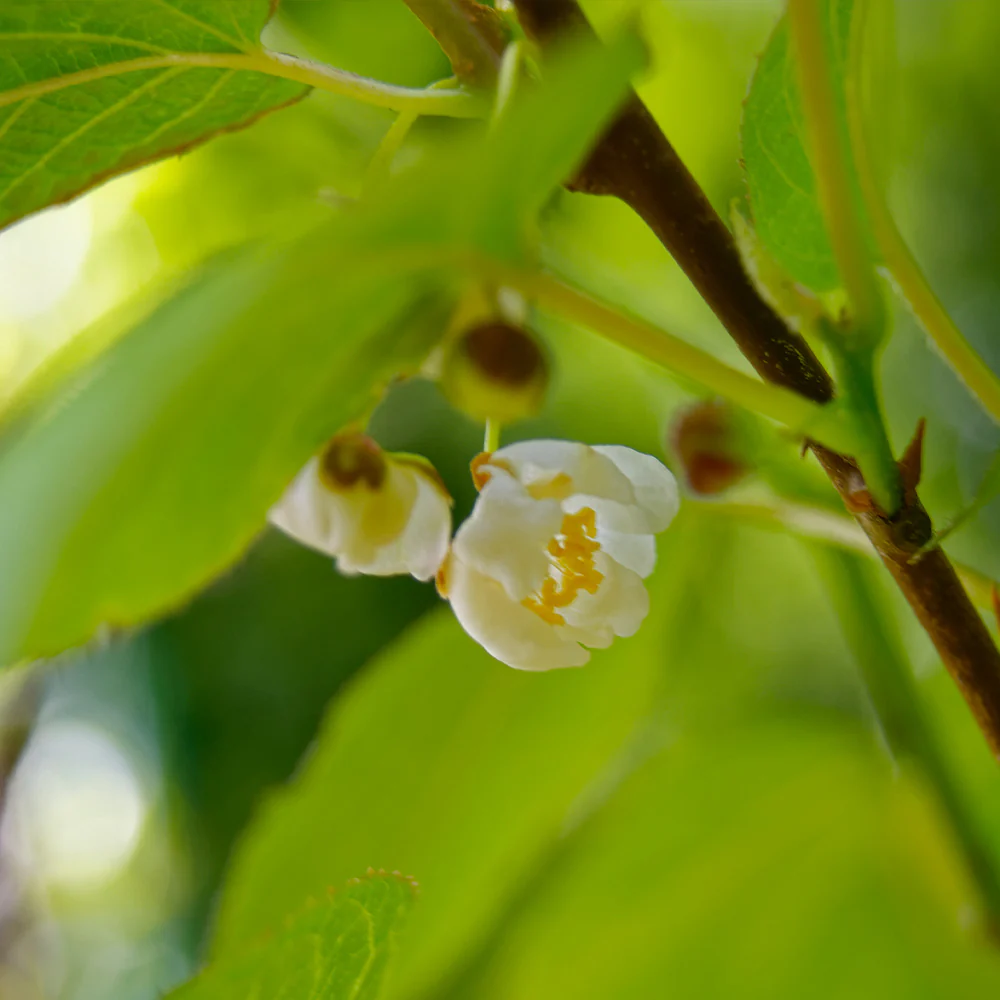
Details & Craftsmanship
Every detail has been carefully considered to bring you the perfect product.
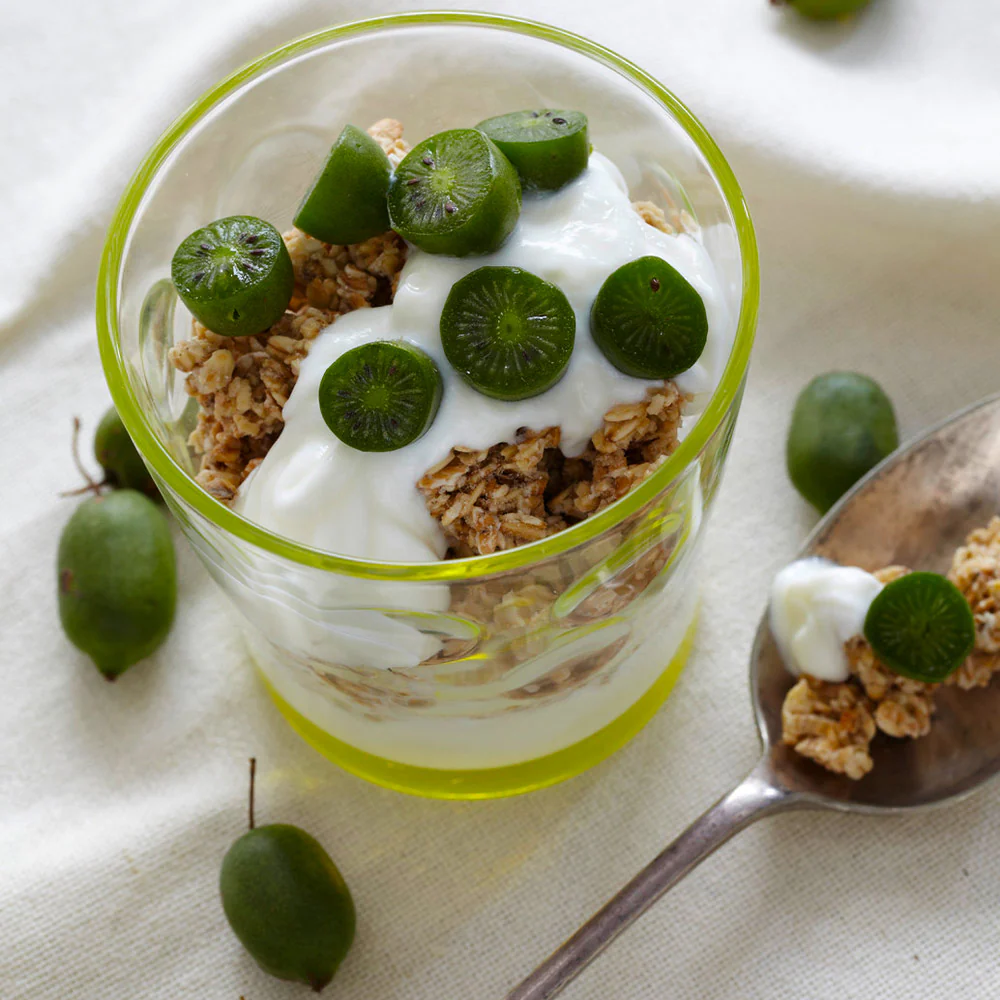
Details & Craftsmanship
Every detail has been carefully considered to bring you the perfect product.
Description
Resilient Kiwi Plant Ideal for Backyard Gardening
Elevate your backyard gardening experience with our Prolific Kiwi! This fast-growing vine is perfect for cultivating in your outdoor oasis, whether you have a spacious garden or a cozy backyard. With its vigorous growth habit, this plant is ideal for trellises or fences, adding both beauty and functionality to your landscape.
Not only does the Prolific Kiwi boast impressive growth, but it's also cold-hardy and self-pollinating, making it a low-maintenance choice for home gardeners. This self-sufficient plant produces delicious, grape-sized kiwis right in your own backyard. Plus, the fruit features smooth skin, making it perfect for fresh snacking straight from the vine.
Even better, the Prolific Kiwi is naturally resilient and resistant to many common pests and diseases, helping it thrive with minimal upkeep. Its dependable performance and abundant harvests make it a rewarding addition to edible gardens of all sizes.
Bring the joy of homegrown fruit to your doorstep with our resilient and productive Prolific Kiwi. With fast growth, easy care, and flavorful fruit, it's a standout choice for gardeners looking to enjoy fresh harvests season after season.
Planting & Care
1. Planting: Ensure your Kiwi is planted in well-drained soil, avoiding waterlogging. The Prolific thrives with partial shade during peak sunlight hours. Please note, this plant will grow vigorously and may need support to maintain its structure. A sturdy trellis or fence should offer ample stability.
2. Watering: Keep the soil moist for the first year to establish a healthy root system.
3. Fertilization: Fertilize in early spring with a balanced fertilizer to support healthy growth and fruit production..
4. Pruning: Hardy kiwis are vigorous; proper pruning redirects energy from vegetative growth to fruit production. Remove 60–80% of the vine annually, as fruit grows on two-year-old spurs.
5. Establishment: If your kiwi doesn't reach the support top, cut it back to 1 foot to encourage a vigorous shoot. Once it reaches the top, tip it back and train two buds horizontally along wires or beams; these become your cordons. By the second season, you should have a solid framework. Before spring, prune these cordons to 8–10 buds to stimulate fruiting spurs. Extend the cordon each year, pruning back to 8–10 buds, until the support limits are reached.
Pests: The wonderful thing about growing kiwi plants is they are virtually free of pest and fungal issues. Your plant may begin giving off a scent similar to “Cat Nip” as a result, cats find this plant attractive and will rub against the shoots. This can be problematic for young shoots and could cause damage. This is also makes the plant attractive to deer and gophers eating the leaves of the plant and in some cases the fruit. You can place protective fencing or netting around the plants as a protective measure.
If you have several plants growing in the same area this will also make them a target of scale and garden snails. They like to feed on the foliage. You can use an insecticidal soap or Neem Oil to treat any insect issues.