The Story
A delightful addition with sweet, juicy fruit
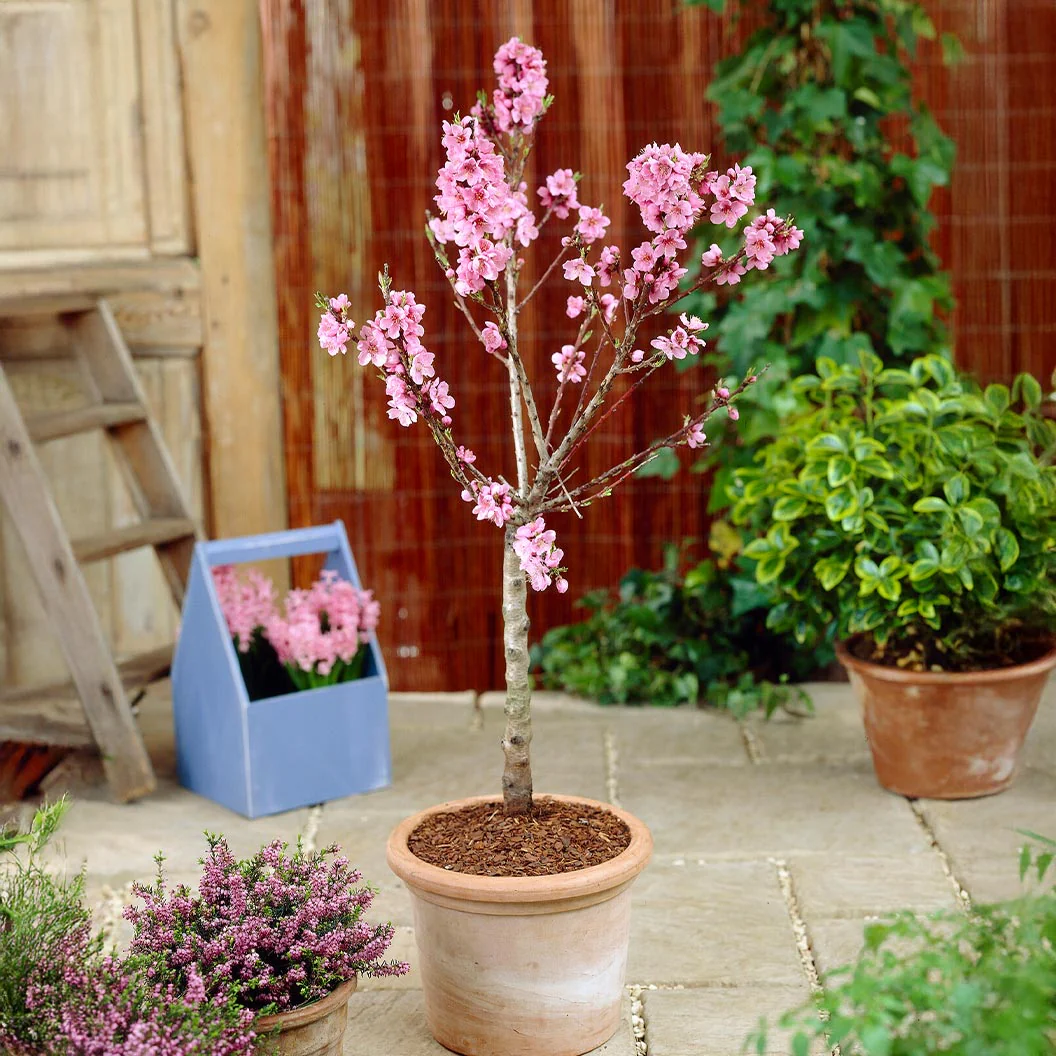
Imagine enjoying sweet, sun-ripened nectarines right from your backyard—this is exactly what the Garden Delight Nectarine Tree brings to your landscape. Not only does it produce delicious, flavorful fruit, but it also serves as a beautiful ornamental feature, boasting lush green leaves that transform into a stunning display of double pink blossoms in spring. This tree is a delightful focal point, adding charm and visual interest to any garden or patio.
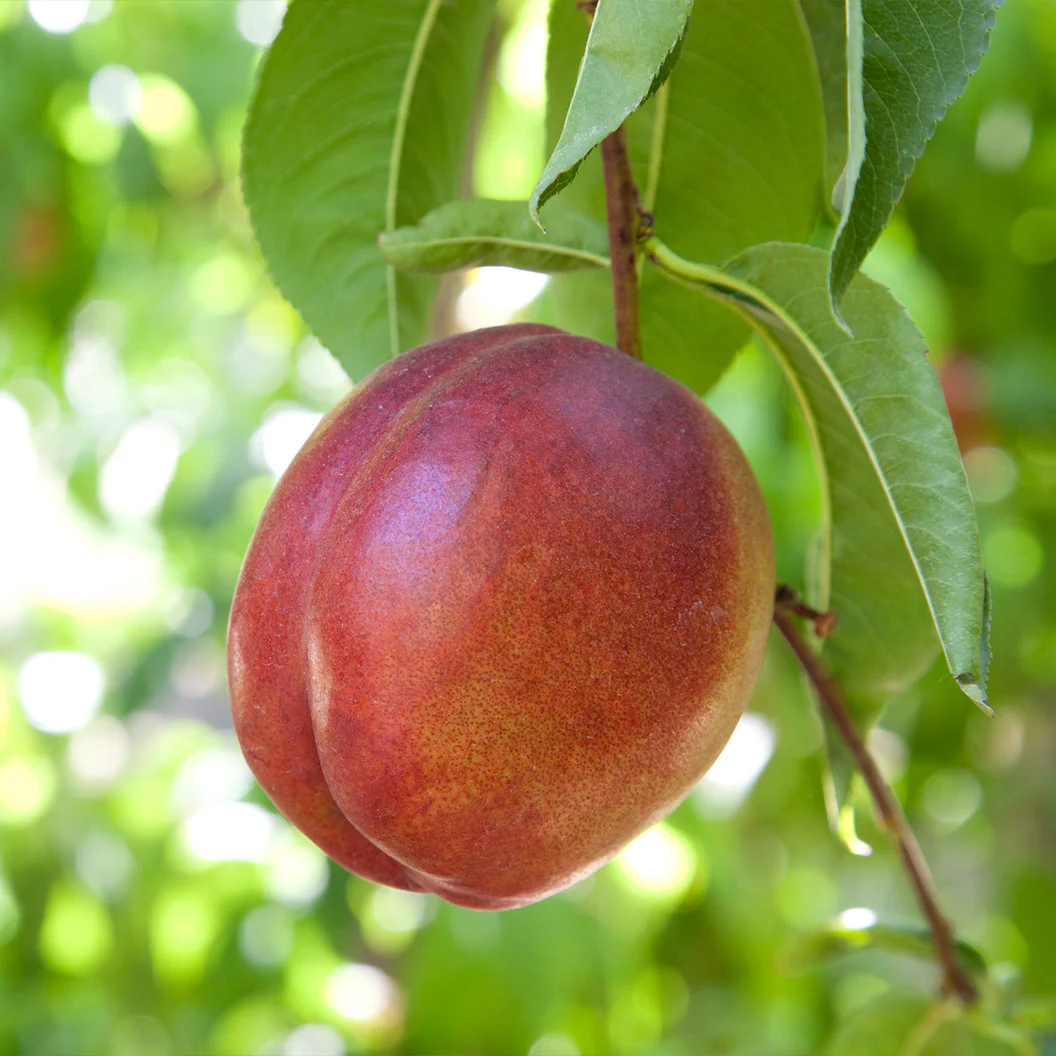
What sets this nectarine tree apart is its compact size, making it especially suitable for smaller yards or patio spaces. Growing best in regions with long summers and about 500 chill hours, Garden Delight Nectarine produces yellow-fleshed, freestone fruit in late summer that are perfect for snacking, desserts, or cooking, making it both a practical and beautiful addition to your outdoor space.
Planting & Care
1. Planting: Plant or repot within 4 weeks of arrival. Remove the stake and ties at planting, as these are only for shipping. Choose a sunny location with well-draining soil, ideally enriched with organic matter. Dig a hole twice as wide as the root ball and as deep, placing the tree in the center before backfilling with soil.
2. Watering: Water deeply once a week during the growing season, ensuring the soil is moist but not waterlogged. Adjust the frequency as needed during hotter months or if rainfall is insufficient. Once established, the tree may require less frequent watering.
3. Pruning: Prune your Garden Delight Nectarine Tree in late winter or early spring to encourage healthy growth and fruit production. Focus on removing dead or crowded branches to allow sunlight and air circulation. Regular maintenance will help maintain its compact shape and enhance fruit yield.
4. Fertilizing: Fertilize your tree with a balanced fertilizer formulated for fruit trees, usually in early spring. Follow the manufacturer's guidelines for application rates, and consider a second application in mid-summer to promote continued growth and fruit development.
5. Container Growth: Choose a container 2" larger in diameter than the nursery pot the tree arrives in and use an all-purpose potting mix. Water until it comes out of the drainage holes, and water again when the soil is dry 2" down. Use a slow-release fertilizer in spring and reapply in early summer. Repot trees into a larger container every 2–3 years. Trees must stay outside for winter to receive chill hours. In zones 6–7, pots should be wrapped in burlap and placed in a garage or shed that stays below 50°F. This will ensure cold protection while allowing for chill hour accumulation.

Details & Craftsmanship
Every detail has been carefully considered to bring you the perfect product.
Details & Craftsmanship
Every detail has been carefully considered to bring you the perfect product.
Description
A delightful addition with sweet, juicy fruit
Imagine enjoying sweet, sun-ripened nectarines right from your backyard—this is exactly what the Garden Delight Nectarine Tree brings to your landscape. Not only does it produce delicious, flavorful fruit, but it also serves as a beautiful ornamental feature, boasting lush green leaves that transform into a stunning display of double pink blossoms in spring. This tree is a delightful focal point, adding charm and visual interest to any garden or patio.
What sets this nectarine tree apart is its compact size, making it especially suitable for smaller yards or patio spaces. Growing best in regions with long summers and about 500 chill hours, Garden Delight Nectarine produces yellow-fleshed, freestone fruit in late summer that are perfect for snacking, desserts, or cooking, making it both a practical and beautiful addition to your outdoor space.
Planting & Care
1. Planting: Plant or repot within 4 weeks of arrival. Remove the stake and ties at planting, as these are only for shipping. Choose a sunny location with well-draining soil, ideally enriched with organic matter. Dig a hole twice as wide as the root ball and as deep, placing the tree in the center before backfilling with soil.
2. Watering: Water deeply once a week during the growing season, ensuring the soil is moist but not waterlogged. Adjust the frequency as needed during hotter months or if rainfall is insufficient. Once established, the tree may require less frequent watering.
3. Pruning: Prune your Garden Delight Nectarine Tree in late winter or early spring to encourage healthy growth and fruit production. Focus on removing dead or crowded branches to allow sunlight and air circulation. Regular maintenance will help maintain its compact shape and enhance fruit yield.
4. Fertilizing: Fertilize your tree with a balanced fertilizer formulated for fruit trees, usually in early spring. Follow the manufacturer's guidelines for application rates, and consider a second application in mid-summer to promote continued growth and fruit development.
5. Container Growth: Choose a container 2" larger in diameter than the nursery pot the tree arrives in and use an all-purpose potting mix. Water until it comes out of the drainage holes, and water again when the soil is dry 2" down. Use a slow-release fertilizer in spring and reapply in early summer. Repot trees into a larger container every 2–3 years. Trees must stay outside for winter to receive chill hours. In zones 6–7, pots should be wrapped in burlap and placed in a garage or shed that stays below 50°F. This will ensure cold protection while allowing for chill hour accumulation.