Original: $50.00
-65%$50.00
$17.50The Story
A compact and hardy option for your garden
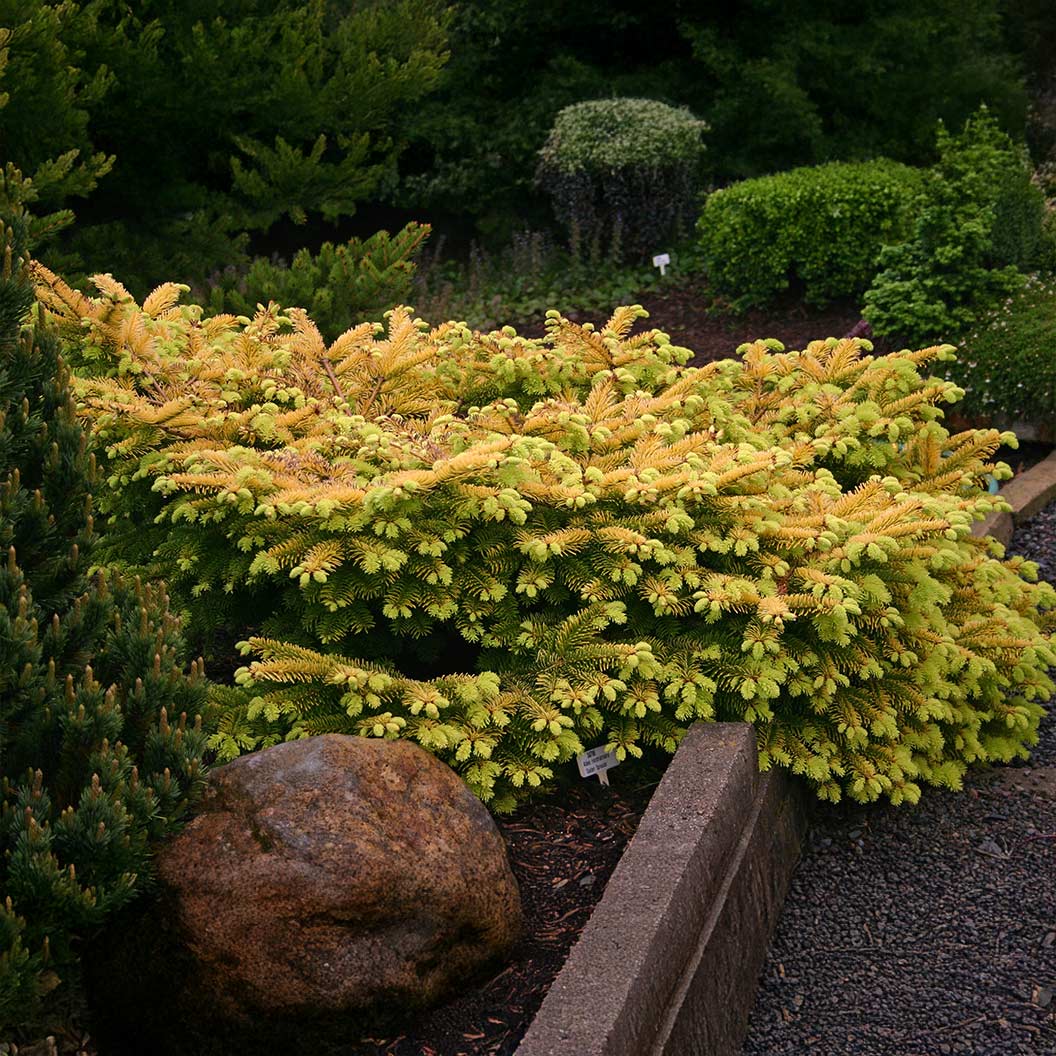
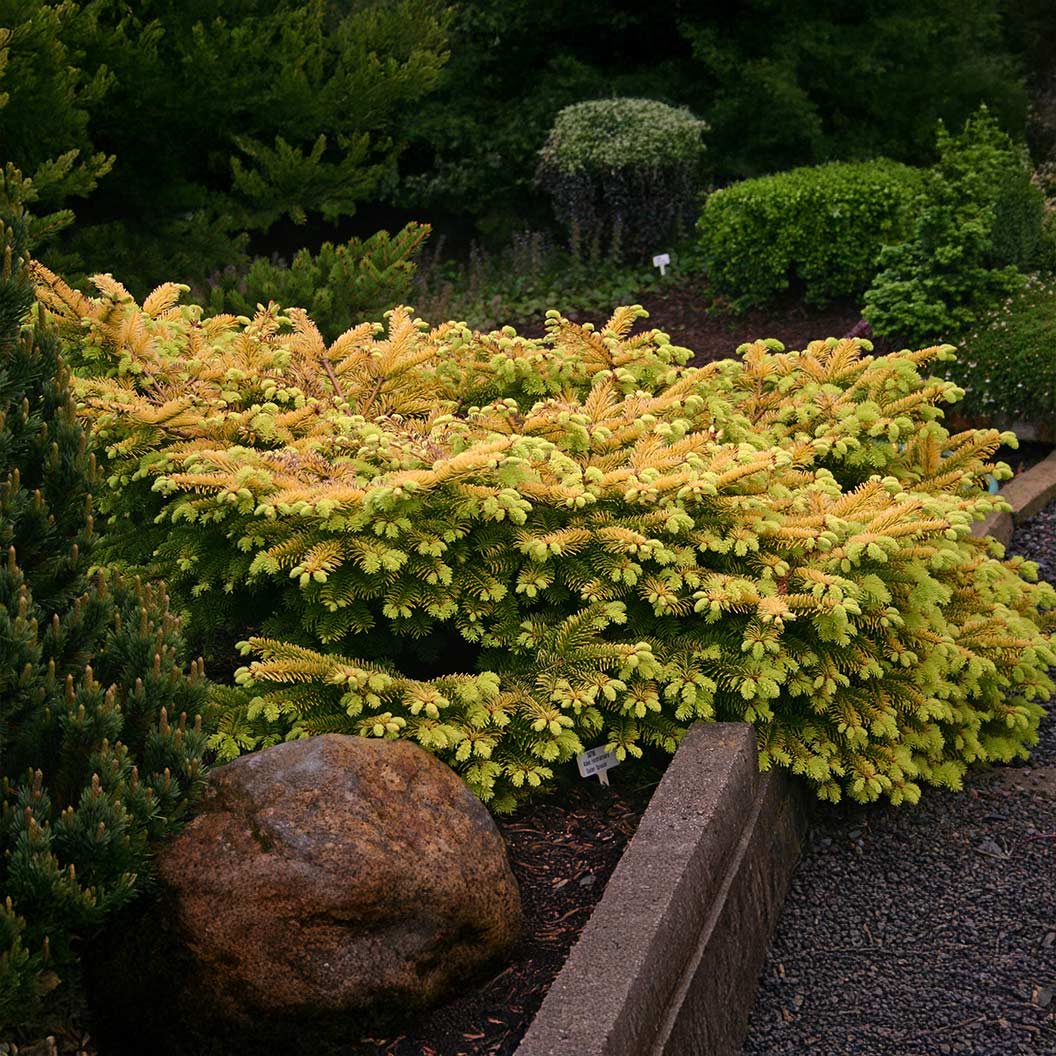
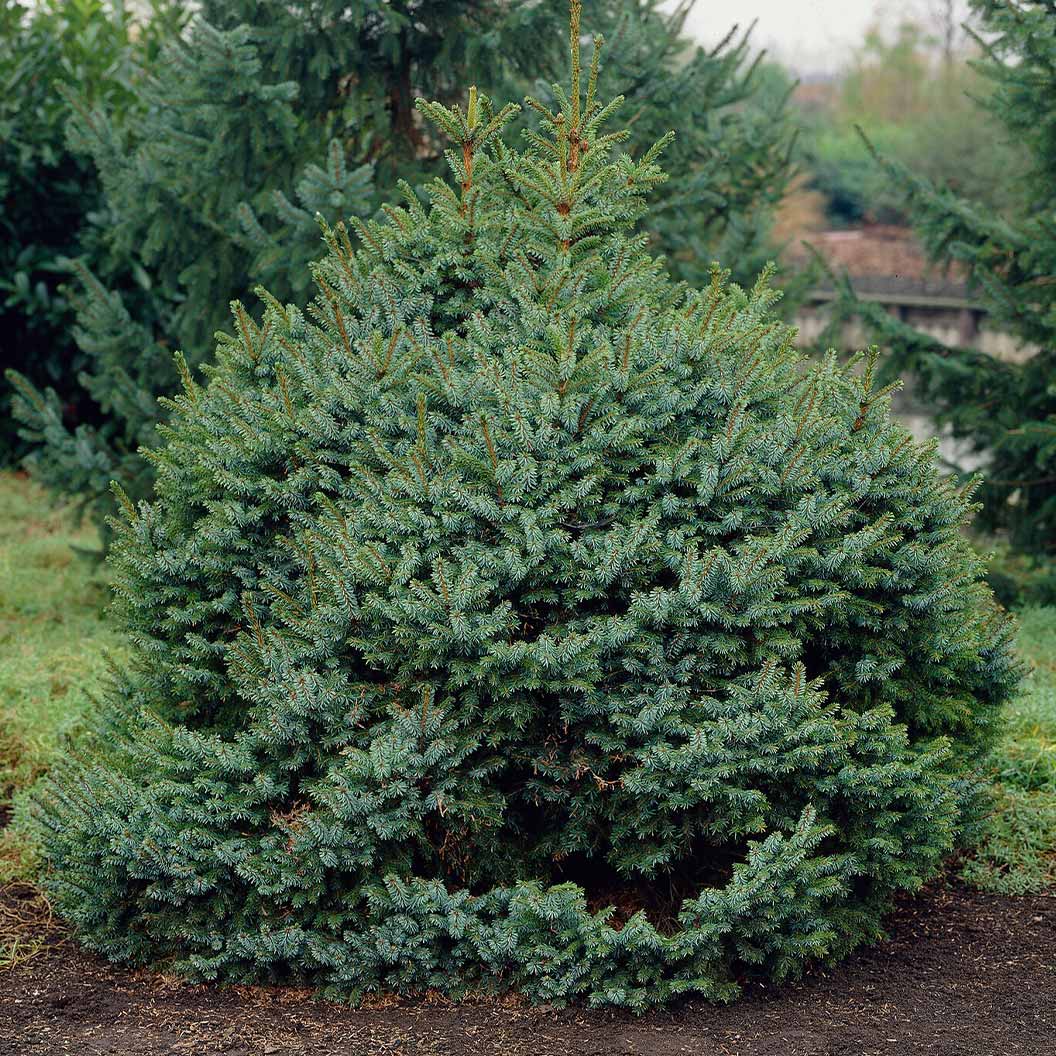
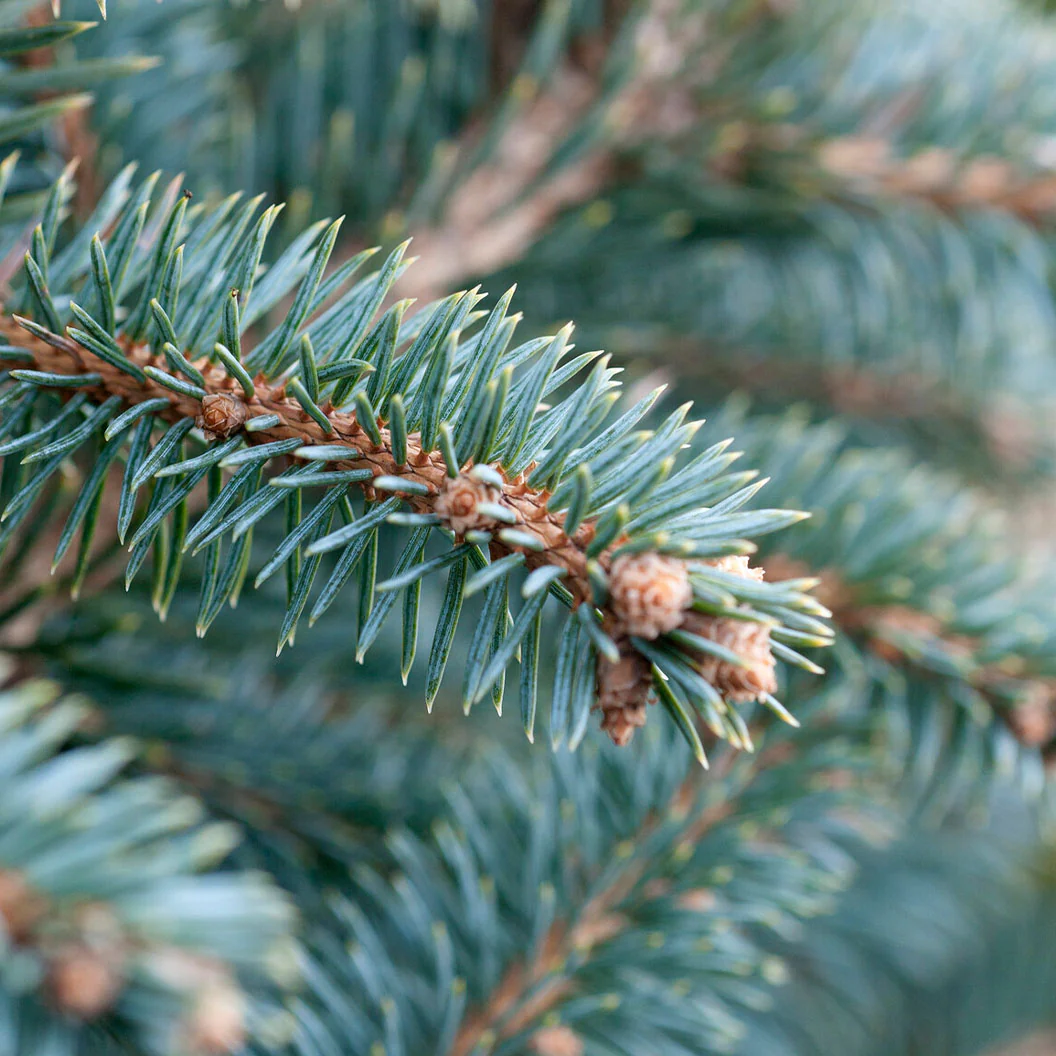
The Dwarf Serbian Spruce is a delightful addition to any garden, boasting a unique combination of compact size and striking visual appeal. With its rich green needles and layered branching, this tree brings a sense of depth and texture to your landscape. Its ability to thrive in various soil types in cold climates with cool summers makes it a perfect fit for northern gardeners. Whether you plant it as a focal point or as a border plant, its versatility shines.
The Dwarf Serbian Spruce is particularly favored in commercial trade for its shrub-like habit, typically reaching a height of 8 to 10 feet. This makes it a fantastic choice for smaller gardens, patios, or even container gardens where space is at a premium. Additionally, its excellent cold hardiness and deer resistance mean you can enjoy its beauty with minimal fuss. If you're looking to add a touch of evergreen charm to your outdoor space, this spruce is an excellent candidate.
Planting & Care
1. Planting: Plant or repot within 4 weeks of arrival. Remove the stake and ties at planting, as these are only for shipping. Choose a location with well-draining soil and full sun to partial shade, as this will ensure the healthiest growth. Dig a hole twice as wide as the rootball and as deep. Place the tree in the center of the hole so that the top of the rootball is level with the soil line. Backfill with native soil and amend with compost if necessary. Spread a three inch layer of soil three feet around the tree, pulling it back a few inches from the trunk.
2. Watering: Water regularly during the first two growing seasons to help establish a strong root system. Once established, water during dry spells.
3. Pruning: Pruning is generally not necessary but can be done to maintain shape or remove any dead or damaged branches. Late winter or early spring is the ideal time for pruning, just before the new growth begins.
4. Fertilizing: Fertilize in early spring with a slow-release, balanced fertilizer to promote healthy growth. Avoid excessive fertilization, as this can lead to overly rampant growth or damage to the plant.
Details & Craftsmanship
Every detail has been carefully considered to bring you the perfect product.
Details & Craftsmanship
Every detail has been carefully considered to bring you the perfect product.
Description
A compact and hardy option for your garden
The Dwarf Serbian Spruce is a delightful addition to any garden, boasting a unique combination of compact size and striking visual appeal. With its rich green needles and layered branching, this tree brings a sense of depth and texture to your landscape. Its ability to thrive in various soil types in cold climates with cool summers makes it a perfect fit for northern gardeners. Whether you plant it as a focal point or as a border plant, its versatility shines.
The Dwarf Serbian Spruce is particularly favored in commercial trade for its shrub-like habit, typically reaching a height of 8 to 10 feet. This makes it a fantastic choice for smaller gardens, patios, or even container gardens where space is at a premium. Additionally, its excellent cold hardiness and deer resistance mean you can enjoy its beauty with minimal fuss. If you're looking to add a touch of evergreen charm to your outdoor space, this spruce is an excellent candidate.
Planting & Care
1. Planting: Plant or repot within 4 weeks of arrival. Remove the stake and ties at planting, as these are only for shipping. Choose a location with well-draining soil and full sun to partial shade, as this will ensure the healthiest growth. Dig a hole twice as wide as the rootball and as deep. Place the tree in the center of the hole so that the top of the rootball is level with the soil line. Backfill with native soil and amend with compost if necessary. Spread a three inch layer of soil three feet around the tree, pulling it back a few inches from the trunk.
2. Watering: Water regularly during the first two growing seasons to help establish a strong root system. Once established, water during dry spells.
3. Pruning: Pruning is generally not necessary but can be done to maintain shape or remove any dead or damaged branches. Late winter or early spring is the ideal time for pruning, just before the new growth begins.
4. Fertilizing: Fertilize in early spring with a slow-release, balanced fertilizer to promote healthy growth. Avoid excessive fertilization, as this can lead to overly rampant growth or damage to the plant.